Abdominal aortic aneurysm CT scan
|
Abdominal Aortic Aneurysm Microchapters |
|
Differentiating Abdominal Aortic Aneurysm from other Diseases |
|---|
|
Diagnosis |
|
Treatment |
|
Case Studies |
|
Abdominal aortic aneurysm CT scan On the Web |
|
Directions to Hospitals Treating Abdominal aortic aneurysm CT scan |
|
Risk calculators and risk factors for Abdominal aortic aneurysm CT scan |
Editor-In-Chief: C. Michael Gibson, M.S., M.D. [1]; Associate Editor-In-Chief: Cafer Zorkun, M.D., Ph.D. [2] Ramyar Ghandriz MD[3]
Overview
Although CT scanning provides detailed anatomic information and is valuable in planning abdominal aortic aneurysm repair, it is not used as a screening tool because of the potential nephrotoxicity associated with the dye load, the cost, and the exposure to radiation.
CT scan
Limitations of CT Scanning
- The limitations include:[1]
- Potential nephrotoxicity associated with the dye load
- Cost
- Exposure to radiation
- Suboptimal visualization of the origins of the aortic branch vessels
- Occasionally, inaccurate localization of the aneurysmal neck
CT Examples
-
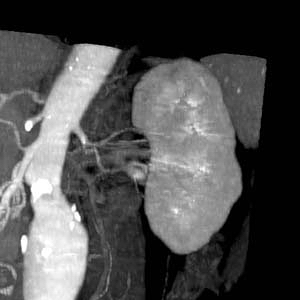 Abdominal Aortic Aneurysm
 -
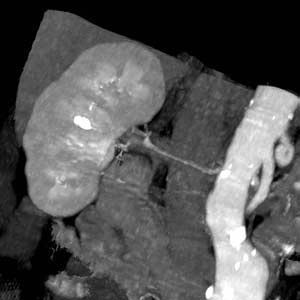 Abdominal Aortic Aneurysm


-
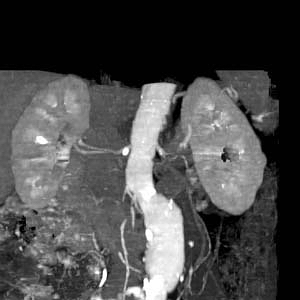 Abdominal Aortic Aneurysm
 -
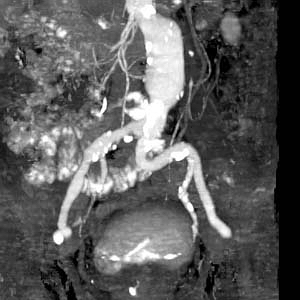 Abdominal Aortic Aneurysm


-
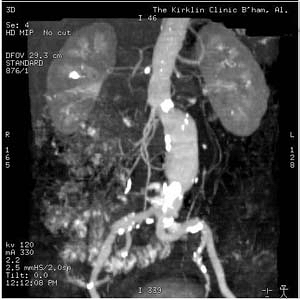 Abdominal Aortic Aneurysm
 -
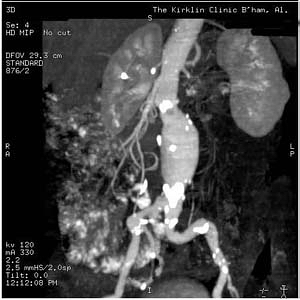 Abdominal Aortic Aneurysm


-
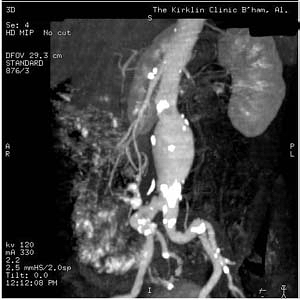 Abdominal Aortic Aneurysm
 -
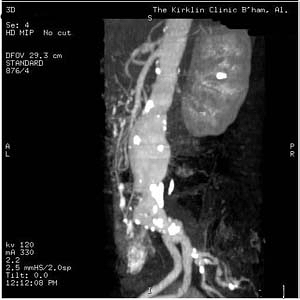 Abdominal Aortic Aneurysm


Copyleft image obtained courtesy of Radswiki:
-
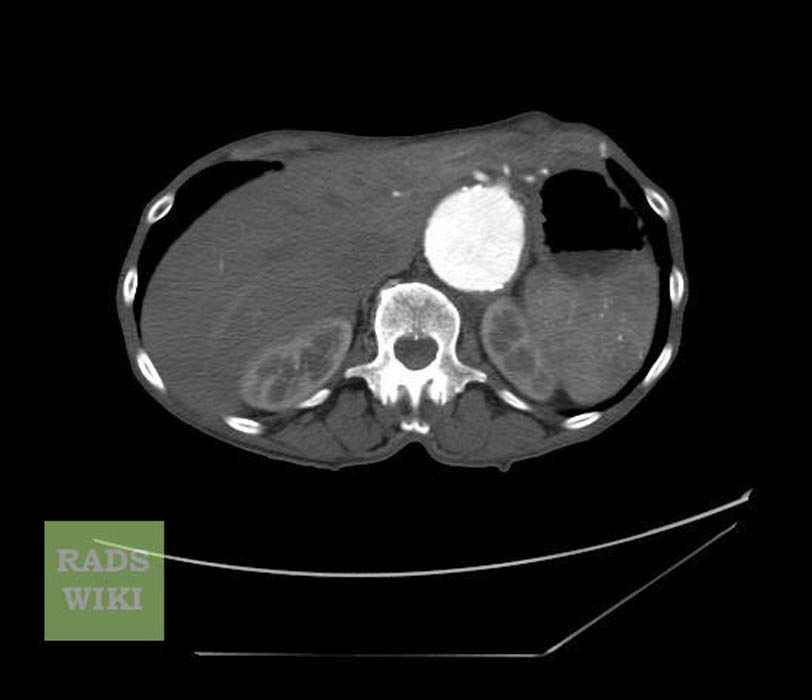 CT: a large abdominal aortic aneurysm
 -
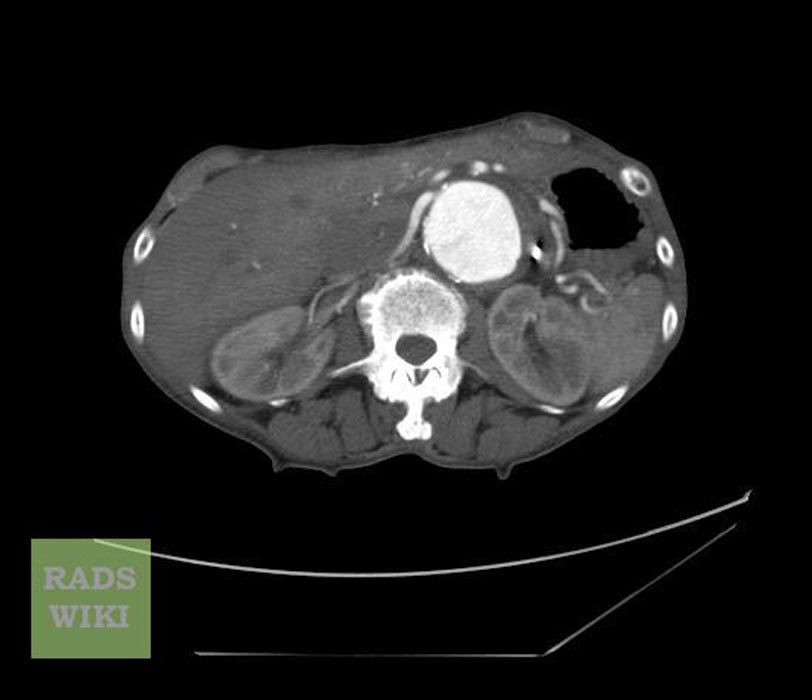 CT: a large abdominal aortic aneurysm
 -
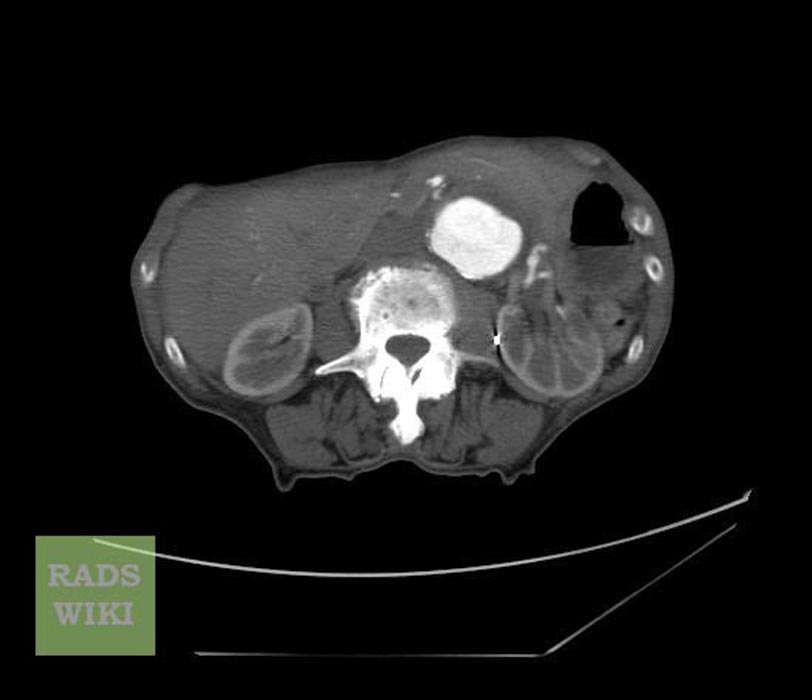 CT: a large abdominal aortic aneurysm


-
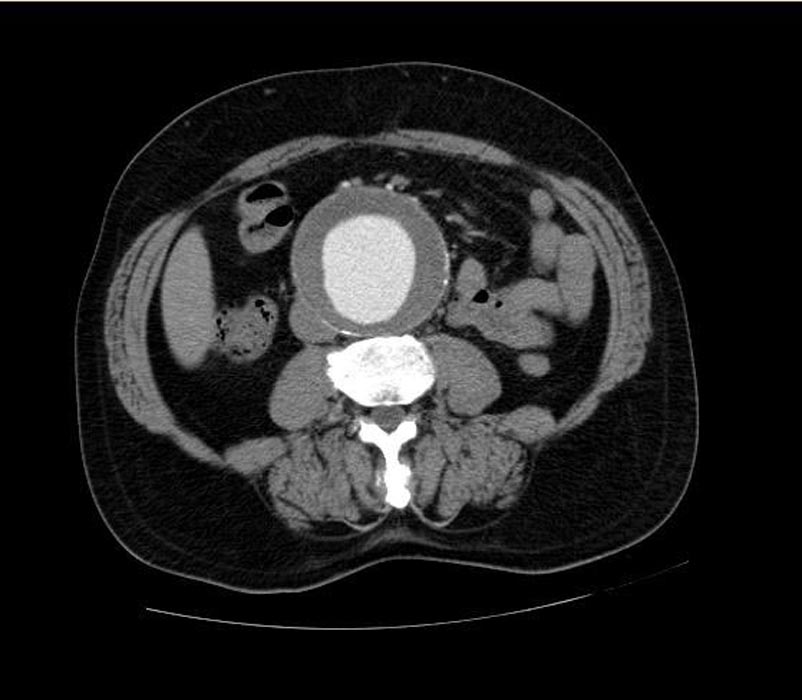 CT: a large abdominal aortic aneurysm
 -
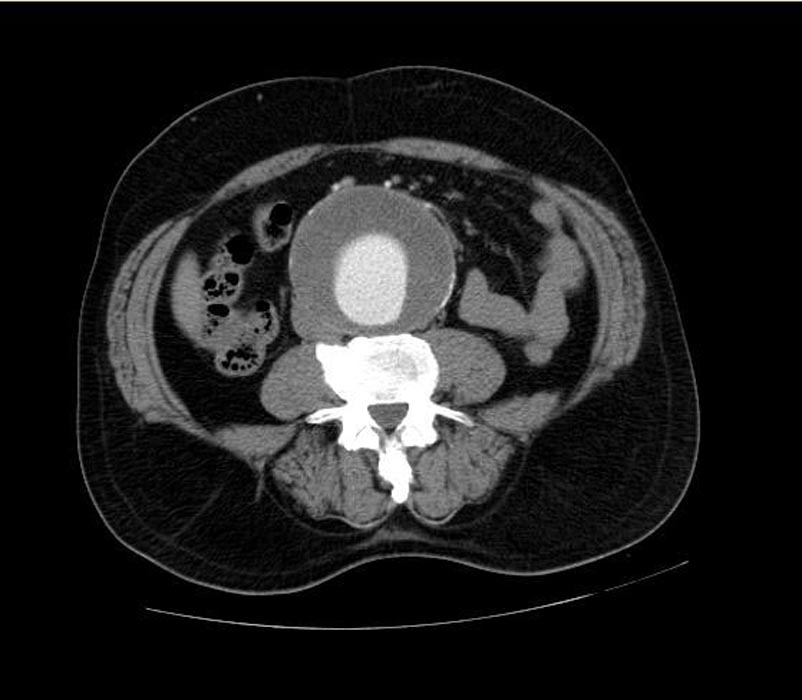 CT: a large abdominal aortic aneurysm


-
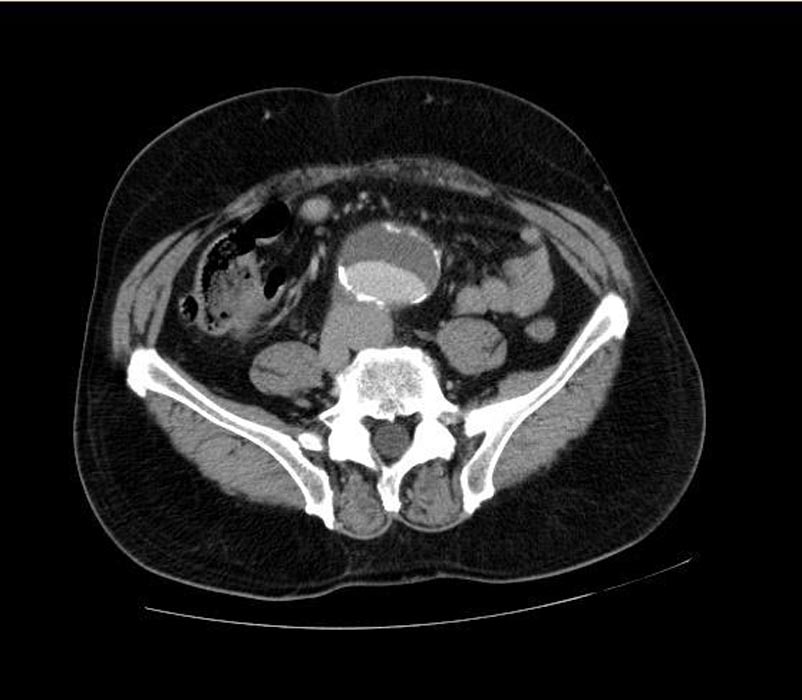 CT: a large abdominal aortic aneurysm
 -
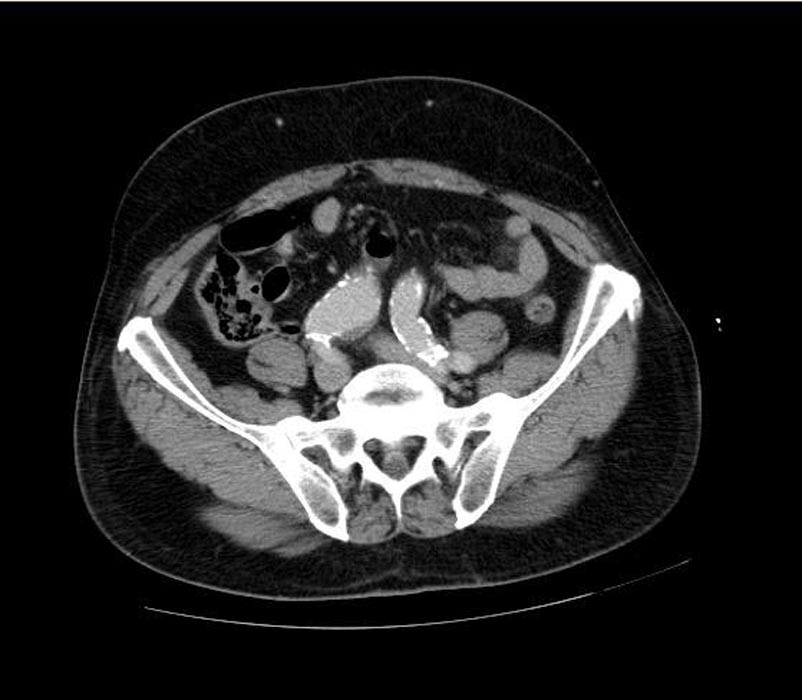 CT: a large abdominal aortic aneurysm


-
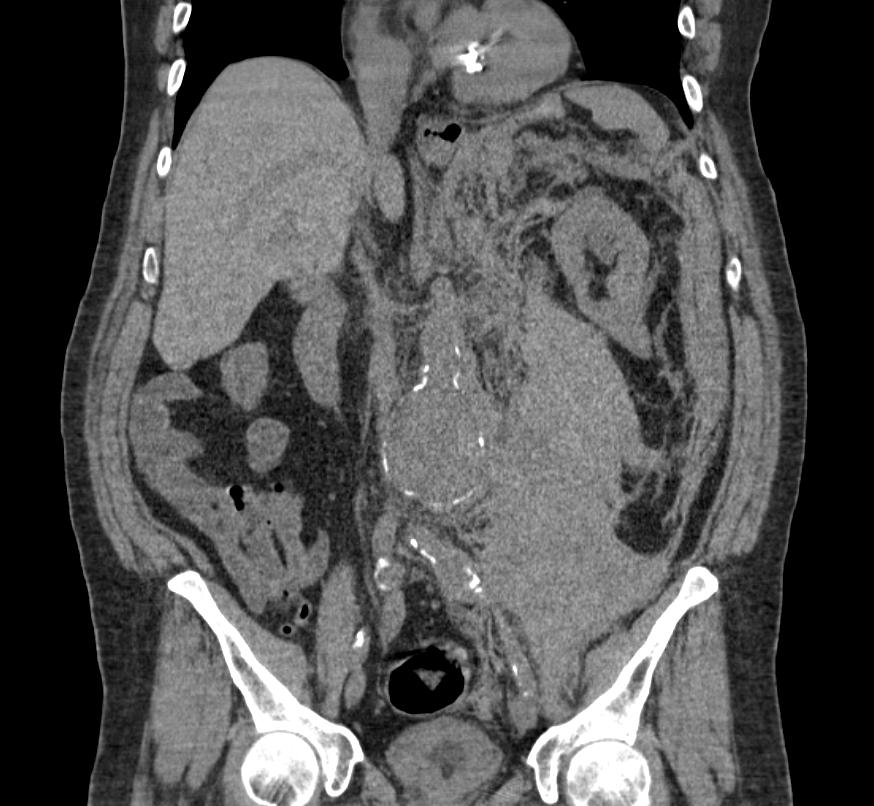 Ruptured abdominal aortic aneurysm
 -
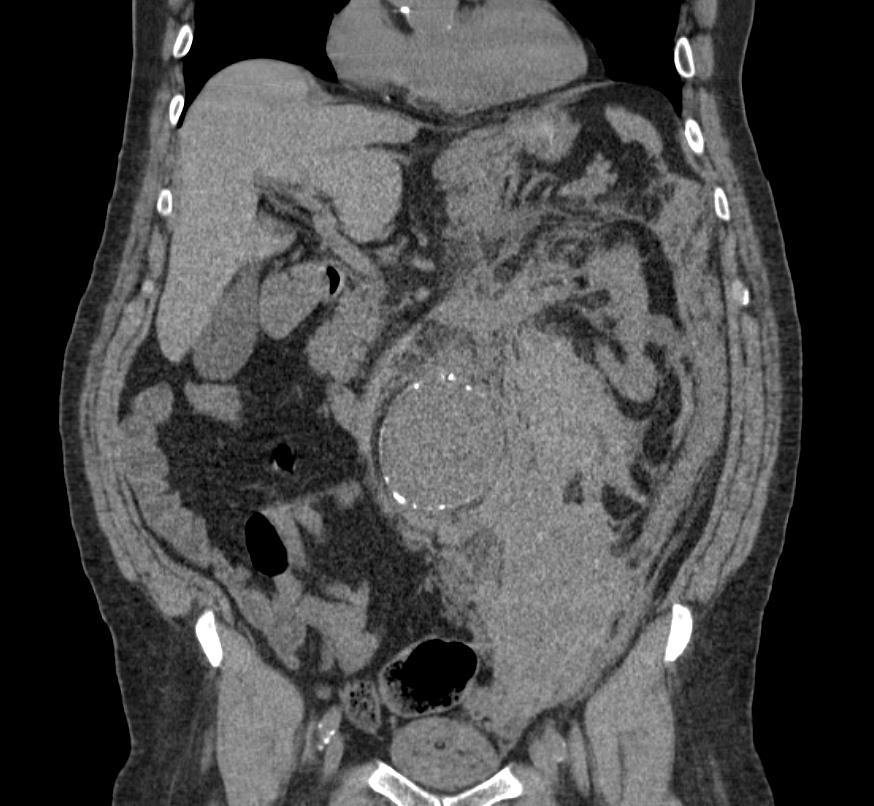 Ruptured abdominal aortic aneurysm


-
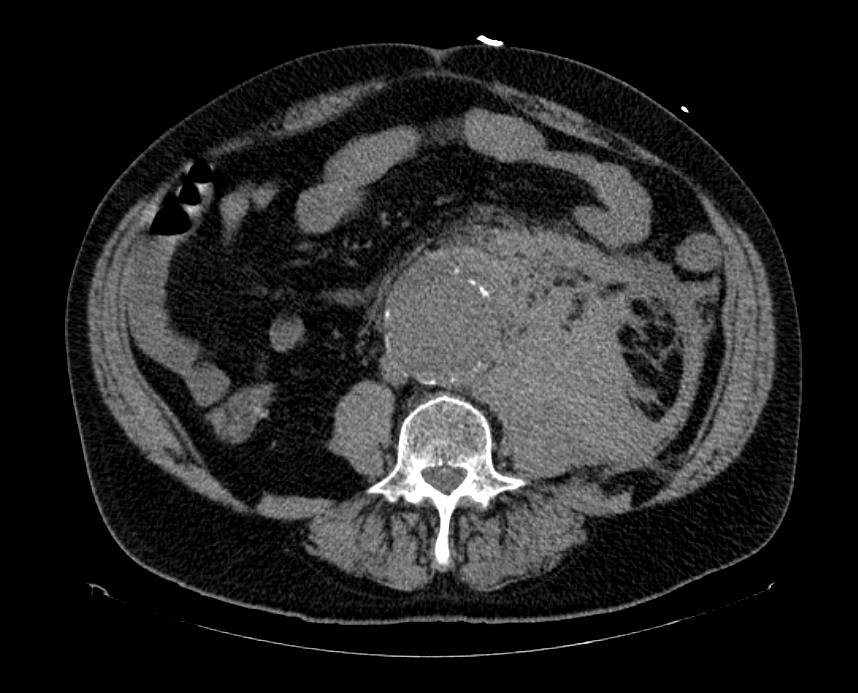 Ruptured abdominal aortic aneurysm
 -
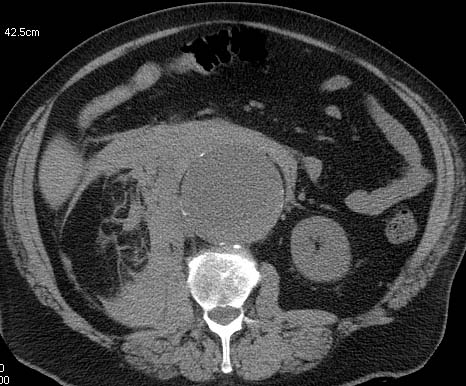 This patient presented with acute abdominal pain and hypotension. His non-contrast CT shows a large AAA and extensive periaortic haematoma. A thick (but subtle) hyperdense crescent is present within the aortic wall posteriorly and laterally which represents acute intramural hematoma, a sign of acute or impending rupture. (Image courtesy of Dr Donna D'Souza)

